Gagrule.net

Gagrule.net News, Views, Interviews worldwide

  • Home
  • About
  • Contact
  • GagruleLive
  • Armenia profile

American Professor: Nagorno-Karabakh is a case of remedial secession

April 19, 2014 By administrator

Interview by Nvard Chalikyan

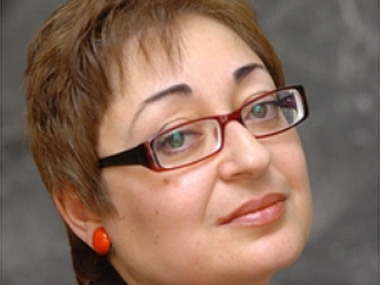
Panorama.am interview with Dr. William Slomanson, Professor of Law at Thomas Jefferson School of Law and visiting Professor at Pristina University. Dr. Slomanson argues that Nagorno-Karabakh qualifies as a case of American Professorremedial secession under the International Law.

– Dr. Slomanson, in one of your articles you argue that the cases of Ossetia, Abkhazia and Kosovo do not qualify as remedial secession, while in your article “Nagorno-Karabakh: An Alternative Legal Approach To Its Quest For Legitimacy” you argue that Nagorno-Karabakh presents such a case. How exactly does Nagorno-Karabakh qualify as a case of remedial secession and according to you what are the strongest points in NK’s argument of remedial secession?

– The internationally accepted sources of International Law include – treaties, state practice and judicial decisions (as embedded in ICJ Statute, Article 38d). There is no treaty on secession, and there never will be, as that would be a political suicide for states. As for state practice, it has characterized three of the last four unilateral secessions as being unique (Abkhazia, South Ossetia and Kosovo—with no word yet on Crimea). There have otherwise been numerous conflicting state approaches to the status of Nagorno-Karabakh. The remaining recognized source on secession in the International Law is thus judicial decisions – those issued by national/international courts.

In this regard the undisputed lead case is the Canadian Supreme Court Quebec Secession case, with its three prongs. According to the first prong there must be a “People,” for which Nagorno-Karabakh Armenians within Azerbaijan no doubt qualify. Second, there must be “gross human rights violations” against this people – these violations were in place starting in 1915, when NK emptied out most of its Armenian population because of Turkish regional policies. These policies continued through and including 1989 (the Armenian population declined considerably as a result of gross human rights violations over many decades). In 1989 the US Senate-House passed Resolution 178 that expressed a concern on the ongoing violence in Nagorno-Karabakh – “seeking (2) Soviet re-establishment of economic and supply routes”; (4) “urge[s] … investigation of the violence against the people of Nagorno-Karabakh;” and (5) “express[es] the serious concern of the American people about the ongoing violence … interfer[ing] with international relief efforts.”

The Quebec decision’s third prong is “no alternative but secession”. Given the fact that the status of Nagorno-Karabakh was altered for a number of times – in 1919 (when the United Kingdom forced NK authorities to conclude an interim agreement with Azerbaijan), in 1921 (when Moscow annexed NK to the Azerbaijan SSR), in 1988 (by war) and in 1991 (by the declaration of independence) as well as taking into account the 2004 Minsk Group statement that NK independence is not possible under the USSR statute of 03 April 1990 (all of which are addressed in my 2012 article) I do not see how one could logically suggest that there is an alternative to secession.

– If Nagorno-Karabakh presents a strong case for remedial secession what implications can this have, given that the right to remedial secession is not a hard law?

– Given the non-existence of a secession treaty, multiple changes in sovereign status of Nagorno-Karabakh as well as national/international concerns (such as those expressed in the above US Congressional position), the above-mentioned recognized sources of International Law leave only one logical source for supporting Nagorno-Karabakh’s bid for legitimacy – a national (Canadian) Supreme Court decision on a matter of International Law. While not a primary source, such as State practice, it is a recognized source of International Law. If by “soft” law you mean enforceability, the arguable lack thereof is a discrete political point, while the Quebec elements are widely acclaimed and thus are more akin to hard law than soft law.

– Azerbaijan has officially adopted a stance that unless the conflict is resolved by peaceful means Azerbaijan has the “right” to take back Nagorno-Karabakh by force, appealing to the right of self-defense under Article 51 of the UN Charter and referring to alleged “occupation” of its territory. Is this stance of Azerbaijan compatible with international law or not (considering its international obligations and the 1994 ceasefire agreement)?

– Citing the UN Charter Article 51 self-defense by Azerbaijan is illogical, given the comparative size of both the Azeri land mass and military strength. NK, for example, does not have the Israeli drones that the Azeris use for patrolling the border. As 2006 Russian-American Dartmouth Conference report indicates, no single document (i.e., the 1994 ceasefire agreement) will supplant the need for all necessary parties to come to the table to hammer out a peace accord. One result of that not happening is the Azeri threat to use its military force to shoot down any plane/helicopter attempting to make the trip between the Yerevan and NK airports. So it would be NK, not Azerbaijan, that would end up with a decent Art 51 defense argument in this context.

Interview by Nvard Chalikyan

Source: Panorama.am

Filed Under: Articles, Interviews Tagged With: Abkhazia, Kosovo, Nagorno-Karabakh, Ossetia

James Corbett Interview JoAnne Moriarty Reveal the Truth About the Libyan War (Podcast)

March 31, 2014 By administrator

By James Corbett  Corbettreport.com

Click on the following Podcast Icon to listen.

Podcast

Joining us on the program today are James and JoAnne Moriarty of LibyanWarTheTruth.com. We discuss their experiences as businesspeople in Libya since 2007 and as eyewitnesses to the destruction wrought by the NATO-sponsored Al-CIAda perpetrated overthrow of that country in 2011. From the truth about the outside forces brought in to destabilize the country to what really happened in Benghazi, their website and their DVD, Escape From Al Qaeda, is essential information for those seeking to get to the bottom of what really happened in Libya.

Filed Under: Articles, Interviews Tagged With: James corbett, Libyan War

Obama antics moving US toward nuke war – expert

March 21, 2014 By administrator

Press TV has interviewed Mike Billington with the Executive Intelligence Review from Leesburg to discuss US President Barack Obama’s mishandling of the crisis in Ukraine.

Obama-russia– How do you assess these reactions coming out about Crimea’s accession to Russia?

– The idea that Obama pledged not to use military might in Ukraine is of course ludicrous. He’s lied to the American people and to the US Congress about virtually everything to the point where finally many Democrats are beginning to move toward the impeachment that is required and which is the only way to stop him from in fact launching war against Russia, which is the intention.

The issue here is not really over Crimea. It’s not really over Ukraine. This is a confrontation with Russia driven by the state of the absolute collapse of the Western financial system, which has now reached a point of complete breakdown, moving toward the point they call a ‘bail-in’, which will unleash not just another Lehman Brothers but a systemic breakdown of the entire Western banking system.

The British know this. Their puppet, Obama, knows this. And their view is that they must launch a confrontation to force Russia and China to back down to the level of looting that’s going on on a global scale.

And if they do not back down, they will indeed move towards war. You can see this with the extensive military deployment taking place surrounding China.

As I’m sure you know, Mr. Putin in his speech the day before yesterday or just yesterday rather, made very clear that since the time of the fall of the Soviet Union, the lie of the West that there would not be an eastward expansion of NATO, has been proven over and over again to be a lie. Now, in fact, they’re moving directly into the heart of the former Soviet Union in Ukraine, which would leave Russia absolutely indefensible.

The continued placement, as Joe Biden who today basically put himself in the same criminal camp as President Obama by his antics in Europe today, said that they will proceed with the anti-ballistic missile system surrounding Russia, which the Russians have long insisted are clearly aimed at Russia, not at Iran which has no capacity to attack Europe in that way, and which is creating a first-strike capacity by the West against Russia, which Russia cannot tolerate. They cannot tolerate a neo-Nazi regime in Ukraine.

Of course, the most severe hypocrisy is Obama saying he’s concerned about the disruption of Ukrainian sovereignty when in fact as everyone knows Victoria Nuland, his personal representative to Ukraine, was caught on tape plotting the subversion of the elected Ukrainian government, the placement of Yats (Arseniy Yatsenyuk), as she likes to call him, in the leadership of Ukraine, that they’ve placed seven members of the neo-Nazi to vote a movement in the government, and that Yatsenyuk is now planning to bring the ultra-violent fascist, right-winged thugs from the Right Sector into an official national guard, which would be armed and set loose to carry out Nazi-style terror around the country.

This is something the Russians cannot withstand.

There is no solution to this outside of removing Obama from office very quickly.

The good news is that largely because some courageous democrats behind Senator Dianne Feinstein, the senior democrat in the intelligence committee, have finally taken measures to identity the crimes of Obama and his CIA in their carrying out overt spying against the Senate to try to undermine their investigation in the rendition and torture policies of the Bush and Cheney administration, which President Obama is protecting – protecting the Cheney torture just as he’s in fact extending and expanding on the Cheney policy of colonial, imperial warfare at will, as we’ve demonstrated over and over again in the Middle East and as we’re now moving towards direct thermonuclear confrontation with Russia.


Filed Under: Articles, Interviews Tagged With: Obama antics moving US toward nuke war - expert

ARF Welcomes Ocalan Letter to Armenians with ‘Reservations’

March 1, 2014 By administrator

HDKwithKurds-smallHagop Der-Khachadourian, Turkey’s Kurdish-leaning Peace and Democracy Party (BDP) co-chairman Salaheddin Demirtas, BDP foreign relations director who is elected from Van, Nazmi Gur pictured in October, 2013

YEREVAN—In a recent interview with the Armenian Revolutionary Federation Press Office, ARF Bureau member and head of the party’s Political Central Council Hagop Der-Khachadourian spoke about a letter published last month by the Istanbul-based Agos Armenian newspaper from Kurdistan Workers Party’s jailed leader Abdullah Ocalan. In the letter addressed to Armenians, Ocalan calls on Ankara to recognize the Armenian Genocide. Below is the text of the interview:

ARF Press Office: About four weeks ago, on the occasion of the anniversary of Hrant Dink’s assassination, PKK leader Abdullah Ocalan’s letter was first published in Istanbul’s “Agos” weekly. So far, the ARF-D has not officially commented on this letter; what is the party’s official position?

HAGOP DER KHACHADOURIAN: First, I should say that Ocalan’s letter was published later than expected, presumably because it had to go through the corresponding Turkish state structures. About twenty days before the publication of the letter, Ocalan had announced that on “the day of the anniversary of Hrant’s assassination”—that is January 19— he will send such a letter “directed to our Armenian compatriots.” It was exactly then that Bese Hozat, a co-chair of an organization led by Ocalan, the Kurdistan Communities Union (KCK), had made controversial statements about Armenians. Ocalan, in response to the indignation regarding the statements by Hozat, had announced that he will send a letter to convince the Armenians. However, Ocalan’s letter does not clearly fulfill the required rectification.

ARF Press Office: Do you mean to say that you are dissatisfied with the letter?

H.DK.: We welcome the fact that the imprisoned leader of the Kurdish people’s liberation struggle, Apo, has sent a letter to the Armenians. The circumstances, in his words “the difficult conditions” in which Ocalan is, should absolutely be taken into consideration and the contents of the letter should be understood and evaluated accordingly. We are glad, that once again, Ocalan gives the Armenian Genocide the proper characterization and considers that the Republic of Turkey will inevitably have to confront this painful history.

What are incomprehensible in Ocalan’s letter are the references to “lobbies” and “cemaat” (communities). In a letter addressed to the Armenians these references at the minimum cause bewilderment: are these references regarding Armenian communities and lobbies in the Diaspora? Especially that Ocalan calls on the Armenian people to “continue its struggle without falling into racist-nationalist traps” and, against all those, “calls for a careful, clear examination of the issue.” There were negative expressions about Armenian lobbies in the Diaspora or in Turkey in Hozat’s comments too, and, about a year ago, in purported comments by Ocalan himself. In the Diaspora, what are called “Armenian lobbies” are the active structures which express the political will of large popular masses of the Armenian people.

I do not comment on evaluations and criticism which appeared in the Armenian media regarding thoughts expressed or not expressed in the letter. Apart from all this, we have strong reservations —to put it mildly— about Apo’s reference to Turkey’s prospect, that it can become “a republic crowned with democracy, which will both come to terms with the past and be a republic in which all different identities will live freely.”

However, I repeat that this appeal by itself, in spite of its shortcomings and contradictory thoughts, is a welcome step which can pave the road to the development of Armenian-Kurdish relations. Of course, those relations should be based also on justice for the Armenian Genocide and the rights of the Armenian people, as assurance to the establishment of real democracy and equal rights.

Filed Under: Articles, Interviews Tagged With: ARF Welcomes Ocalan Letter to Armenians with ‘Reservations’

Civilnet Maria Titizian interview British Parliamentarian Stephen Pound on Karabakh (Video)

February 18, 2014 By administrator

Published on Feb 17, 2014

Stephen PoundStephen Pound, British Member of Parliament for Ealing North secured an adjournment debate about Karabakh in the House of Commons on February 11. In his speech, Mr.Pound provided a historical overview of the Karabakh conflict, raised concerns over recent ceasefire violations on the Line of Contact, and also spoke about the upcoming centennial of the Armenian Genocide in 2015.


Filed Under: Articles, Interviews, Videos Tagged With: Civilnet Maria Titizian interview British Parliamentarian Stephen Pound on Karabakh (Video)

Belonging to Syrian Kurds need to return land and property

January 31, 2014 By administrator

Friday 31 January 2014

David Vergili 10 years, an activist closely involved with the problems of the Assyrians. Taxation in Europe published monthly Qenneshr writings are published in the newspaper. Taxation and Asyrian and KurdsTaner Akcam last week Agosta In an interview published “the Kurds big exam Süryanilerle will” subheading with the Syrian-Kurdish relations and 1914-15 Assyrian Genocide ‘Seyfo in the role of the Kurds say about the talked about.

FERDA BALANCER
ferda@agos.com.tr


David Vergili 10 years, an activist closely involved with the problems of the Assyrians. Located in the center of the Belgian capital Brussels, the European Syriac Union ESU (European Syriac Union) is a member of taxation in David VergiliEurope Qenneshr published in the newspaper articles are published monthly. Taxation and Taner Akcam last week Agosta In an interview published “the Kurds big exam Süryanilerle will” subheading with the Syrian-Kurdish relations and 1914-15 Assyrian Genocide ‘Seyfo in the role of the Kurds say about the talked about. Akcam, told in an interview on the subject: “the Kurds face both today and in history Süryanilerle think it would be really big problems. Because both pretty much in the history of the Assyrian genocide ‘is a development with a broader Kurdish, as well, especially in the region of Mardin Assyrian lands, as well as inside BDP’lilerin person is under the occupation. Therefore, more than the Syrians Kurds big test will be with me as … ”

    • Assyrian genocide of the Kurds in 1914-15 What is the role? In this context, Taner 
  • Relations between peoples should continue despite all the difficulties. Mainly inhabited by Assyrians and Kurds in Tur Abdin region is important to interact. 
  • Akcam’s “pretty much the Assyrian genocide ‘is a development with a broader Kurdish” pledge Do you agree? 

Experienced in 1914-1915 known as the Assyrian genocide and other ‘Seyfo’s different roles of power. On top of this, the Union and Progress, the high-level officials in the state, where there is a Syriac population managers in Tur Abdin region, the great feudal tribes and there are those who want to ensure that the interests of these events. Kurds in Tur Abdin and Hakkari Assyrians living together, Seyfo one of the most difficult periods in their history during the years they lived. Also in Hakkari before Seyfo Bedirhan Agha Syriac Patriarch Moran semua massacre and the treacherous murder by Agha Simko be forgotten. Even in those times, Assyrians, helping protect them and personalities of Kurdish families have happened. Aynvert close to the village of Midyat Syriac refuge from the state and protecting it from the gang was still Aynkaf Fettullah Sheikh of the village. Sheikh Fettullah stepped in at the request of the Assyrians led to the withdrawal of state power. On the other hand Taner Akcam’s statements are true. ‘Seyfo I mentioned in a way that differentiates is the role of local power. State business to local forces tried to reach the target by transferring. So central, systematic up and top-down structure is not available.

  • Nowadays, especially the problems of Assyrians in Tur Abdin region independently of the Kurdish tribes in the state’s attitude attitude is determining to what extent? 

Abdin region separate from the state’s attitude when we consider the problems of the Syrians, and has a major share of the Kurdish tribes in distress. However, the tribes in the region of the state has close relationships with the state using the power of the state act like extensions. Today, with increased opportunities for communication and news about the events in the region reaches everywhere instantly. Kapanmışlıg of the region’s inward, away from the center and the feudal structure occurs due to heavy discharge, tribal leaders often the attitude is decisive. Heavy functioning of the state mechanism, creates a situation in favor of tribal leaders. Today these roles weakened tribal leaders are acting as informal decision-makers. I witnessed an incident of a tribal leader in the “Territories until a Christian I will not take from a Muslim,” he said. Through the power and influence they have tribal leaders able to change the course of events. However, in recent years, which maintained its presence in the region ‘guard system’ has turned into a similar structure. Guards should be under the control of the state over time, and their power began to reveal their presence. This structure Assyrians in the 1990s, had a very difficult time.

    • What are the expectations of the Assyrians of Turkey’s Kurds today? 
  • I witnessed an incident, a tribal leader ‘Territories until a Christian I will not take from a Muslim, “he said. Tribal leaders can change the course of events. 

In recent years, the peoples of Turkey has increased communication and interaction with each other. People of different ethnic and religious groups have expressed so far is no longer taboo. Common painful page in our history when we consider the road that we still easily visible. Relations between peoples should continue despite all the difficulties. On this basis, inhabited by Assyrians and Kurds in Tur Abdin region is important to interact. Assyrians, Kurds ‘Seyfo’ era, the facts about what happened before and after, friendly attitude and a detailed expect. Valuable figures in the Kurdish movement in this direction, they have made statements in public on this subject, the Kurds are finding very little space. Confiscated lands and other property belonging to the Syrians of Kurds and Assyrians to return them as a people should accept equal. In this context, Kurdish intellectuals and politicians should demonstrate a constructive attitude.

      • Declared in the north of Syria Rojava What is the meaning of autonomy for Assyrians? 

Syria has three years of an ongoing war environment. Syrians in big cities like Damascus and Aleppo, and also in Hasaki and also a significant population of reed owners. After undergoing a period of calm in the year 2011 and recently in Rojav Salafist groups linked to al-Qaeda forces in the region and with the new parameters appeared to attack. Rojava authority gap that exists in Syria in general is manifested. This gap needs to be filled and people of the region to be resolved and a new formation of everyday life were made to continue. Syrians in this formation there. Except Iraq, Assyrians first time such an occurrence is located. This is a historic step. Fractured fault lines in the Middle East and Syria and Syrians range of emerging opportunities within their own contributions unless and in this process must be revealed. Syrians in new and painful process of self-power by mobilizing their rights and demands voiced in public opinion and share them with the world, in interaction with people of the region should be.


Autonomy in northern Iraq remained on paper

      • Iraqi Kurdistan Regional Government policy towards the Assyrians How do you evaluate? 

Iraqi Kurdistan Regional Government policy towards the Assyrians are generally positive. After 2003, in different parts of Iraq, especially in Baghdad Syrians, their distress, assault and harassment after they settled in northern Iraq, and there they built new villages and churches. Syrians, receive education in their mother tongue, there are political parties participating in elections and to broadcast TV channels Syriac owners. Syrians represented in parliament to ensure that the quota system. Christmas soon, two days public holiday was declared. Despite this positive picture, there are some issues still troubles continue. Assyrian villages is getting a little bit of harassment. In addition, the Regional Government has confiscated land owned by the Syriacs and also provided compensation to the owners about them. A few years ago of the Assyrians in Zakho owned businesses were raided and destroyed. It was not related to any criminal investigation and the perpetrators brought before the judiciary photo. Regional Authorities of the Constitution recognized the right of autonomy stayed on paper. At the moment both in Iraq as well as the Regional Management of the major demands of the Assyrians living in the Nineveh Plain autonomy will be implemented in the project. The realization of this project, the Assyrians in Iraq and many other countries will positively affect future designs.

Filed Under: Articles, Interviews Tagged With: Belonging to Syrian Kurds need to return land and property

France’s visit to Turkey in the Armenian Diaspora was how to find money?

January 31, 2014 By administrator

Friday 31 January 2014

French President Francois Hollande, France’s visit to Turkey in the Armenian Diaspora was how to find money? Three major name-election period, Hollande’la worked together and then one little disagreement about who lived Mourad Papazian, the Armenian Chamber of Commerce in France Representative and at the same time Hollande Turkey convoy which Vartan Kapriel and NR Haratch Newspaper Editor Jirayr Tcholakian we asked .

Fatih GÖKHAN DİLER
is fgdiler@agos.com.t

In 1992, then French President François Mitterand, then another 22 years after the first time the French President, Francois Hollande visited Turkey. Hollande, Foreign Minister Laurent Fabius, Development and Industry Minister Jean-Yves Le Drian and France, including a large group of 40 people from the business world with a delegation was in Turkey. Two-day visit was the main emphasis of economic cooperation between Turkey and France were given the signal of a new era of rapprochement.

However, Hollande one hand, “I’m doing an exceptional visit. Let’s start a new phase in relations between two countries, “while on the other hand, albeit without using the word genocide, did not refrain from making emphasis in 1915. So, to get a heartache every step Hollande makes this visit, which is obviously how the money found in the Armenian Diaspora in France? Three major name-election period, Hollande’la worked together and then one little disagreement about who lived Mourad Papazian, the Armenian Chamber of Commerce in France Representative and at the same time Hollande Turkey convoy which Vartan Kapriel and NR Haratch Newspaper Editor Jirayr Tcholakian …

Jirayr Tcholakian, NR Haratch Newspaper Editor: Ima full interview

French President’s visit to Turkey under the President Hollande calls Rakel Dink was greeted very positively by the Armenians of France. This interview first impression of France and Europe as a whole is interested in the proceedings and the desire to reach a fair result shows that the direction of follow-up occurs. Second, even if Hollande concerning the Armenian issue in Turkey and for the recognition did an interview implying that desire.

French President to condemn the denial of the genocide convention in the direction as to what the legal approach that is based on clearly stated. Previous bill received in 2008 under the EU’s decision has the same structure, but was interrupted with an inspired, no doubt so that a new framework will be drawn and the Constitutional Court’s objections will be taken into account. President Hollande depending on the selected law firm since the first day of work in this direction is taking. The main problem for Hollande to improve economic relations between Turkey and France. If these remarks during his visit to France enthusiastically welcomed the Armenians was a surprise.

Mourad Papazian, President of Armenian Organizations of France (CCAF): Turkey’s government could hear those words?

French President during his visit to Turkey has kept its promises against all parties. The development of relations between the two states can understand that there is a need to. On the other hand Hollande law to punish denial of the Armenian Genocide waiver indicating that they did not say anything. Also, for Turkey’s European Union accession negotiations, particularly in the areas of rule of law and independence of judiciary, he said huge progress and at the end of the negotiations gave the people of France reminded us that the decision of the referendum. As you know, 84% of France against the entry of Turkey into the European Union.

Hollande said that changes in opinion on 1915 and “History always painful to look at. But people seeking the magic in the eyes of everyone, “he said. However the ‘Armenian Genocide’ statement because it was using ifads did not want to be seen as a provocation. More lyrics were warnings. In the centenary of the Genocide, the government of Turkey Hollande hear the words, understand?

Kapriel Vartan, Armenia Chamber of Commerce and Industry of France Representative: denial law is looking for the right legal basis

This visit, French, Turkish and Armenian, I believe it is important for the three sides. Beyond the politics and economic agreements, France, the Armenian Genocide in Turkey’s state when it came to all the sanctions and blackmail dayatıg showed that the ability to fall into the trap. François Hollande intelligently discuss the issue of genocide, and both his message at Galatasaray University in Ankara as well as the voiced quite loudly and clearly.

Hollande received in 2008 under the European Union’s decision to punish denial of the Armenian Genocide remind you of the correct legal basis for the search for an indicator. Obviously, the disbeliever Abdullah Gul, who lost their lives during the First World War with other people, planned and implemented by Turkish leaders of the genocide victims to speak when put in the same basket as no surprise. In the words of brotherhood between peoples also fooling anyone about.

If talks with French President Hollande Dink family was an important gesture. It was an homage to the memory of Hrant Dink and independent of the content of the interview, the world was reminded of the importance of Hrant Dink.


Filed Under: Articles, Interviews Tagged With: France's visit to Turkey in the Armenian Diaspora was how to find money?

Turkey has a history rooted in the discourse of hatred

January 29, 2014 By administrator

Bahçeşehir University lecturer Mahmut Cinar New Media department as the editor of the book Media and Hate Speech output from the Hrant Dink Foundation. Cinar, “Turkey has a history rooted in the discourse of hatred. This is the biggest offender, the state itself is the largest manufacturer of hate speech itself, “he says.

490-359Prof. Dr.. Fuat Keyman made the presentation of the Ege University lecturer Professor in the book. Dr.. Angels of GOREGENLI, Galatasaray University, Faculty of Communication. Dr.. The attacker Jasmine, Istanbul Bilgi University Faculty of Law Asst. Assoc. Dr.. Contact Karan, Professor of Sociology Department of Istanbul Bilgi University. Dr.. Dig Arus, Çinar, Ankara University Faculty of Communication Assoc. Dr.. Ideals of Doğanay, Tugrul from Ankara University Faculty of Communication with Camu Baskent University, Faculty of Communication. Dr.. Prof. Binark happy and communicator. Dr.. Sevda Alankuş include articles on hate speech.

Hrant Dink Foundation Hate Speech in the Media Monitoring Project of hate speech as a continuation of the curriculum for universities produced by the project, a book of the content of textbooks in the nature of this project.

The book’s editor and the project Cinar Located in Bianet interview on hate speech as follows:

  • How did your book?

Foundation in universities hate speech curriculum project mentor text from enthusiasm.Relevant, and hate speech in the introduction, this course is the book you both a lot lately spoken a little of what is unclear on a concept study wanted to get. Let them be right, which we refer nobody turn us back, everyone was very excited. Everyone was very busy, but in spite of that we have prepared this book with a completely voluntary basis.

  • Turkish academics all articles …

490-327(2)Yes, all of the articles from Turkey. Although the majority of samples from Turkey, there are examples from around the world. Already this subject already working on this issue has been previously wrote and drew, talked to, who has conducted studies and researches have found the names and areas of expertise according to the texts we wanted.

  • Democratization Package is already in the book about it, but on the occasion of the Hrant Dink Foundation’s report as well as hate speech are discussing with. Well, hate speech is, how does it occur?

Which is capable of hate speech, which is hegemonic one way of maintaining their own power. If you ask me any real power to do not talk about. Each power to define itself produces its own discourse, and this discourse itself again, in order to define itself as well as highlighting non-pulls himself forward. Discrimination on the basis of the discourse of hate have this.

Turkey has a history rooted in the discourse of hatred. This is the biggest offender, the state itself is the largest manufacturer of hate speech itself. Only those in power, not to mention I’m talking about power. State / power being political / political power, I’m talking about the concept of being.

Because in fact, on the heritage of a decadent empire enters into the process can redefine your identity. This re-definition, ‘Who am I?’ question to answer for hard times and hard to betonmuşça effort, bringing forth the fact that you do not like, stressing her ‘Look, I actually am, but I’m not that’ processes require. Nationalism in the nation-building process, it is on the basis of religion. Define your priorities are not as self-defining. Or as your unique ID does not make sense to stop there.

‘I’ve spread to age, I’m strong’, tell them a ‘strong’ one ‘weak’ requires a ‘welcoming’, a ‘welcoming’ requires that non-right?

The bigger your identity complex expressions of hatred, you define yourself by denigrating others would be so great at your request.

  • Hate speech and political power in the discussion circles close to him, especially Islamophobia underscores. You’ve talked about empowerment, but Turkey’s predominantly Muslim country’s image with a. Then Islam, Islam in this country is not a concept to be able to? Islamophobia in Turkey is it possible?

If both discriminatory rhetoric, as well as discriminatory discourse one step further with a kind of hate speech perceived as a means to maintain power, then we have to believe that Islamophobia in Turkey does not come too rational.

Pressure on religious people in Turkey have felt in a certain period. You have felt the power come by. But still the official discourse in Turkey never has to get out of Sunni Islam.

Turkey’s political as religious people say that in a certain period suffered another thing, another thing to say that the official Islamophobic discourse.

Secular, secular, even with laisist value of the power of discourse, including the removal of Sunni Islam have no time. There are also strategic reasons for this, of course. Turkey is because the majority of religious people.

  • So, how hate speech is produced?

The biggest perpetrators of hate speech in the state and the discourse of power. This country’s founders, executive emitted by the will and power and social discourse produced. The most important tool that the media.

Because unfortunately the media in Turkey, as provider, the state is bound by the umbilical cord. Newspapers are issued by the state itself. Removal by the state at the time of the first newspapers began to civilization has suffered the wrath of the state.

Republic was founded already in search of support is very strong and a great power that has created its own media or non-media as it has subdued the Courts in Independence, has tied himself in every way.

It has made all the power. Democratic Party government when it is one of the most severe. For this reason, the mainstream media spokesman of the state itself, doing business on behalf of the state, the state’s interests always in a place that has seen the arms. As such, this discourse of power created by the media has penetrated very easy.

Hate speech is not spread strategically and politically. Hate speech from the family you were born, your school, your environment, and coffee in the street, you encounter a very general and many mainstream discourse, which are byproducts. Therefore, from the moment you were born ‘country folks Sakarya think it is very important to say, you sorgulamazs the reason for this. It is as if you were born this way. So hate speech by people like you and me, often unwittingly spread.

But hate speech creation process is very political. You can find a way to drive a wedge between people. Define much above his own identity outside argues that identities can be very important, and you can put it into the textbooks.

Turkey’s ‘legitimate’ and ‘required’, ‘acceptable’ citizens who want to be is difficult to determine if everyone liked to tell you you can not be citizens. Your name divider, terrorist, reactionary communist released.

This is a result of admissibility, in a way that all of us as we enter into the spiral of silence. Are you not saying anything out of the norm. Because you will not see anything like that in the media. Thus, the rhetoric can internalize and use in everyday language.

  • But in Turkey, one of the most heard words’ The Turks are not racist.

If you want to see all the good things in your own identity all its own when it receives your identity can be racist. But you demezs racist because he is a bad thing. This situation is paradoxical, is full of contradictions. It is nonsense anyway. Why Turks, Kurds get more hospitable than? This myth has been created is called.

Hate speech is not the essence of peace, nationalism and racism is a discourse that emerges from it. And this rhetoric settles in everyday language and media language.

  • So it’s conclusion, even if the concept itself has now settled into our language, Is there any progress?

Hate speech in Turkey usually power, hegemony, identity crisis at the time of the stronger increases. To maintain a kind of tool. How to tell if you find need to be kept turning him against all hazards that you think can be offensive.

Strengthened the sense that you can focus your country’s opposition to protect your identity when you set up what you are doing is more rigid state. States in the period of the crisis stronger increase of hate speech that is reduced in a relatively peaceful period, but did not see that.

Hrant Dink’s target was shown he was a part of the political process. Had been ordered to the media, ‘This man will show targets’, ‘This guy will be your destination for your heavy discourse’ was called.

Fortunately, in the next year, and I think the Kurdish movement played an important role in this, people become timid in the production of hate speech began. This is thanks to the work of NGOs working on discrimination and hate speech in the media thanks to the slightly tart itself and we should use these words.

Hate speech is not finished, I can not say whether the increase. Will rise again in the event of a new crisis. Preparations began in 2015 nears, extreme right-wing newspaper and started writing in the corner. These crises are trying to take measures into their own hands. They’re also hate speech.

  • Hate speech or hate crime legislation may be how to prevent? Democratization of the package is to be explained by laws punishing hate speech is contrary to freedom of expression had been discussed. What should be done in the context of this discussion?

In the world of hate speech and hate crimes accordingly, there are countries where severe punishment. However, hate speech and hate crimes need to distinguish. Crime must be correctly place in the law but not by state power in Turkey is spoken by.

But laws regarding hate speech does not sin for me to suggest a solution. You can create an obstacle to freedom of expression and I do not think it is useful. I’d just get a penalty comes from within an Armenian to blame but do not blame here is another tension emerges.

The way it talks about it from the media to sensitivity training to include more of those who are going through. Be the first to combating discrimination because I think that is an individual struggle.

  • Travel in resistance ‘son of a bitch called’ sex workers in resistance when the ‘whores here are resisting’ he said. This method rhetoric about reversing what do you think?

BIA Newsroom education at school talked about it. Theoretical and practical discourse is the area of ​​the fight. If I tell you, the struggle for power tools in the fight against the power tool. Travel is discriminatory, especially in the power of words that you might use, identity, power sahiplenilip be surrounded by the owners found it very meaningful.

Discourse of power is not actually tell a very large lugat. In this case, ‘You can say anything we perceive as blasphemy saying’ nerves are disturbing. On the other hand it is limited lugat stole a few words and you do not leave something to say.

Travel with the resistance came to the fore in social media. Here, too, hate speech were produced. Social media is an increase in hate speech Are you thinking about?

Hate speech is not hate speech generating an increasing number of people. Anonymity gives people such a confidence. Therefore, becoming more aggressive in social media can tell you that there is a serious struggle there. Discourse, with arguments and politics have voiced format would be.

I find it significant because it shows us the image itself. We see what we’re going to fight. Shut up in a place where everyone who is discriminatory, the right to life of those who resemble him think that there would not understand. Through social media we understand it. Unfortunately, hate speech is a powerful medium as a means of reproduction. But we are in a way we can be strong in the face.

  • Is it possible to reverse this production?

I’m not too hopeful about the mainstream media. Connected by the umbilical cord to power the media in the hands of capital groups. Therefore the power of rational discourse would think they would come out of the political economy of the media’s liberation but we also have to call outside options.

I think all capital groups and media groups should show sensitivity to this issue. This society, pressure groups, NGOs would be with the force.

  • Well, what about education?

Starting from primary school books, starting with the training of teachers can be very effective. First, educators, trainers, students reached through the important way to combat hate speech seeds are discarded. Maybe clergy, opinion leaders can be trained for, given lectures at universities. But the most important change in the media. We are learning everything from the media. That’s why the name of this book Media and Hate Speech.

Filed Under: Articles, Interviews Tagged With: Turkey has a history rooted in the discourse of hatred

Historian Taner Akcam: Freedom of the Kurds, Armenians and Assyrians are not guarantees of justice

January 23, 2014 By administrator

FERDA BALANCER
 ferda@agos.com.tr

Please see turkish version after this page .

this english version was translated via Google translate:

nm_berge_final_taner_akcam_550_1425Historian Taner Akcam: the Co-Chair with the KCK Besa Hozat “Nationalist Armenian and Greek lobbies” in the framework of the debate began with the promise of Kurdish politics and talked about the Armenian issue. Akcam, political history as Abdullah Ocalan and the PKK as one of the observers who know Kurdish politics from the 1970s to the present day also drew attention to the changes in the.

  • Besa Hozat description PKK administration is exceptional for me an explanation? Or the PKK / KCK mark in the political culture is a certain reality?

PKK Stalinist type structures, ‘political culture’ should be very careful about. Besa Hozat that supplies the words and Riza Altun knows how I’m not sure what that means. “Leader Apo said such a promise, if there is wisdom in this,” she said, they’re back, I think. This discourse is increasingly a ‘political culture’, but we can mention the potential to enlarge. But Leader Apo tomorrow, “I mean, not that it, in the sense that I said,” he can do another explanation. And with Besa Hozat Altun said the leaders are correct according to their stance. But this discourse, I, I think it is very new to the PKK. Not only the PKK, the Kurdish political movement in general, it is also quite alien discourse. Ocalan make a statement of this kind and others to repeat it seems to have the back of the government of Turkey. I am convinced that, that it brought Ocalan said that state.

  • Why the state, Ocalan has said it matter?

In recent years, the AKP and the PKK for the region, mainly on the basis of Sunni Islam are known to have been in search of a strategic partnership. This partnership within the framework of the quest, Öcalan was asked to say things like that, he also promises to devote more drawback of this type can be seen. Ocalan, the AKP and the Turkish state, in 2015, approaching genocide “because jobs will not torment you, even I’m with you” message, giving is done. This discourse is largely a strategic rapprochement PKK, AKP is the product I believe. So far, all the Kurdish PKK movement, including the texture of the discourse are faced with quite alien. There are a fad middle; PKK, the BDP after 1980 in Europe and now in the United States plenty of ‘lobbying’ did and still doing. In addition, the BDP in lobbying activities, Armenian organizations know that you choose as a role model.

  • Ocalan’s approach to dealing with the Armenian issue, how do you evaluate?

I think a major problem for Ocalan over the Armenian issue, not a chance. Therefore Outlines policy stance on the subject, do not vary according to the practical needs of the movement is there in the mind. Öcalan’s attitude similar to that of Mustafa Kemal’in. Mustafa Kemal, his stance on 1915, will be made to the National Pact would calculate based on the pros and cons. Ocalan is doing so. According to him, a strategy that has identified. Kurdish region directly under their leadership, the PKK is controlled and managed by the pursuit of an option. Armenian issue, and pieces of junk from the bottom of this long-term strategy is one. According to requirements. Only one issue I want to give additional information. Ocalan, the PKK in Syria before arriving in Syria has established some relationships and partnerships with ASALA was on the lookout. Ocalan was not pleased by this at all, and this relationship was immediately tear. According to him, this was a quest unnecessary and superfluous. To me, they entered his predecessors with ASALA and a little bit of this relationship mistakes ‘childhood’ filed a complaint on the lot.

  • The PKK and the Kurdish politics for the sake of the peace process to take sides AKP that it is the opinion of such disclosures do you assess?

The peace process, “not to upset others, let me tell you promise you will like it” is not a process to be called. You do not have the PKK forces. It is their choice of the PKK. Move to another preferred, but I could shift it to a more democratic option within the democratic option not prone to the PKK. See Turkish words from the mouths of their leaders will remove Tayyip Erdogan Ocalan Kurds with entanglements around the entanglements around I see a great similarity between culturally. Both communities politics, tranced are locked between two lips of the leaders. This situation is very problematic in terms of democratic culture.

  • The role of the Kurds in the Armenian Genocide debate to what extent does it affect?

I ‘role in the genocide of the Kurds’ issue ‘lobbying’, although they may be discussed outside of nonsense … These words, if re-confirmation of their role in the genocide of the Kurds is seen as. This connection can not say that I found very healthy and right. I think about the Holocaust, both as a political movement, both the PKK and Kurdish communities in general, according to the Turkish majority stands much more in the future. Some of the municipalities in the BDP to be met with respect, are extremely nice work. Also ‘role in the genocide of the Kurds’ PKK is not the sole interlocutor. AKP and Hezbollah have such a great politico-religious body. The role of the Kurds in 1915, including these circles should be discussed in a wider framework.

  • A key figure in KCK Mustafa Karasu, in the words of Hozat comments made about Besa. How do you evaluate the statement Karasu?

Karasu for the statement I would like to underline three aspects. First, make an official statement at this point needs KCK is born. Second, Karasu, Hozat the critics “to the PKK and Kurdish enemy” la, blaming the criticism that ‘enemy’ is defined as. PKK or KCK, you must learn to criticism, but I am not hopeful it. Third, Christian communities seeking justice, freedom of the Kurdish problem is discussed as an element of the bottom. In summary said that the Kurds freer, Christians problems will be solved! However, issues relating to freedom and justice are separate from each other. Even if they miss the Kurdish freedom kavuşs, Armenians, Assyrians issues related to justice can be resolved. Canada, Australia and the U.S. as a free country, this society still grappling with the issue of justice for indigenous peoples know that. Freedom, justice is not a guarantee just a good ‘entry card’ maybe. In summary, a description of Karasu, the middle rather than solve a problem, answer a lot of new questions that need to be brought to the agenda.


Süryanilerle will be a great test of Kurds

  • Kurds gained autonomy or political governance in the form of an independent Armenian state in a matter of dealing with the past, and how? Do you have any predictions on this issue?

I will on the Kurdish issue, every step toward better, we take a further step forward in resolving the Armenian believe. Kurdish issue, the Armenian issue has roots with the same mindset: Differences of alterity not be accepted and, for this reason be seen as a security threat. Armenians in the Ottoman Empire, the Kurdish problem in Turkey because of this mindset output. Therefore, an improvement in the Kurdish question refers to a change in this mindset, and it contributes greatly to the solution of the Armenian question. In addition, the Kurds, all for a Republican, was the addressee of all kinds of violence and terror, as a community, to understand the problems of the Armenian possible to say that a lot more open. There are enough examples of this already. I, the Armenian question, in terms of the Kurds more ‘practical problems’ believe it is not. Today, the Armenian population not living in the Kurdish regions. In Turkey, the Kurdish region, including the Armenian issue, mainly the center of the Turkish government, ‘genocide recognition’ and ‘compensation’ within the framework that will address and solve the problem. So very much a ‘Turk’ is the problem. Therefore, the Armenians in Turkey’s Kurdish region, in Barzani, the problems experienced similar problems with the Assyrians be difficult. So, the Kurdish political movement and be more relaxed about the issue of the Armenian communities have conditions. Both today and in the history of the Kurds and the major problems confronting Süryanilerle think it would be. Because both pretty much in the history of the Assyrian genocide ‘is a development with a broader Kurdish, as well, especially in the region of Mardin Assyrian lands, as well as inside BDP’lilerin person is under the occupation. Therefore, more than the Syrians Kurds big test will be with me as …

  • Kurdish intellectuals often expressed by “the will of the Kurds in 1915, there was” How do you evaluate the argument?

These issues frequently as discussed Kurdish intellectuals, give up their hope of this thesis. ‘We have used’ argument is inconsistent in many ways. Knowing a little history, especially the massacres of 1894-96, including the Armenian genocide of the Kurds ‘using the’ insertion knows what they are. At even including Abdulhamid period, in many regions, the central government’s push to develop policies in this direction we know that the local ruling Kurdish structure. Even in 1878 the Treaty of Berlin, the Armenian question Armenians of the Ottoman government and not a problem between the Armenians and the Kurds and Circassians is defined as. And large states, from the Ottoman Empire, Armenians, Kurds want their protection from attack. In addition, the CUP period, for example, which is the most important part of the Armenian problem of land issues, although not central Unionist Kurdish feudal structure could not be solved due Everyone knows that. As such, the Assyrian genocide was raised mainly by Kurds.

Center of Union and Progress in this direction is that even if a policy is difficult to say. At least I do not have any information about it. Central in this regard fondly acted at the request of the Kurds. So if you wanted Kurds, Assyrians were the majority would be able to survive. If you ask me, let alone those “who used some” debate faire Kurdish and Turkish nationalists. We are a big distinction between the period of the Muslim community should prefer an approach that does not. Turkey, the Kurds, Circassians and Arabs massacred by the masses, attended by Muslim identity. In the center of decision-makers had extremely clear ethnic preferences and policies, a further separation Islam limits were determined according to the needs of Turkish nationalism. But the social problems in the area of ​​ethnic identities, but revolved around religion. ‘Using’ thesis in a second reason is ridiculous. “In 1915, we used” the enlightened circles, “unsuruyuz founders of the Republic,” they say. According to them, the ‘bad’ when something ‘we used’, but ‘good’ when something said, “This is our masterpiece we also say” a highly inconsistent in their view. Kurdish elements, in both processes ‘are constructive elements’, the issue is as simple as that.


‘CSM does not make an official announcement about a new culture is born’

  • Besa Hozat words of criticism against him because of his answers How do you evaluate?

I read the description of hozat Agosta. Sort memorize some sentences consecutive sentences too, but they do not mean anything. According to him, there is a bad capitalist modernization, the good and the people are nice. Between peoples have no problem, i have problem of capitalist modernization. His critics were saying the PKK and Kurdish people i have enemies. I understand, Armenian and Greek lobby stands behind what they say about. This lobbies ‘bad activities’ are doing, but they had nothing to do with the Armenian nation. Therefore, these lobbies are working to the detriment of peace and democracy in Turkey thesis is to have it again. If you did not explain it in another CSM, Öcalan and other executives Hozat After what you said, the PKK and KCK in terms we can say that a new culture was being born. Outside the Turkish authorities, “to fight against Armenian and Greek lobby” There is now a new team. We all get better!

———————————————————-  Turkish Version ———————————————–

Kürtlerin özgürlüğü, Ermeniler ve Süryaniler için adaletin garantisi değildir

FERDA BALANCAR
ferda@agos.com.tr

Tarihçi Taner Akçam ile KCK Eşbaşkanı Bese Hozat’ın “Milliyetçi Ermeni ve Rum lobileri” sözüyle başlayan tartışma çerçevesinde Kürt siyaseti ve Ermeni meselesi hakkında konuştuk. Akçam, siyasi geçmişi itibariyle Abdullah Öcalan’ı ve PKK’yı yakından tanıyan gözlemcilerden biri olarak 1970’lerden günümüze Kürt siyasetinde yaşanan değişime de dikkat çekti.

  • Bese Hozat’ın açıklaması PKK yönetimi için istisnai bir açıklama mıdır? Yoksa PKK/KCK siyasi kültüründe belli bir gerçeğe mi işaret ediyor?

PKK türü Stalinist yapılarda, ‘siyasi kültür’ konusunda çok dikkatli olmalıyız. Bese Hozat’ın ve Rıza Altun’un sarf ettikleri sözlerin ne anlama geldiğini bilip bilmediklerinden emin değilim. “Önder Apo böyle bir söz söyledi ise, bunda bir hikmet vardır” deyip, tekrar ediyorlar, galiba. Bu söylemin giderek bir ‘siyasi kültür’ halini alma potansiyelinden söz edebiliriz ancak. Ama Önder Apo, yarın “ben onu o anlamda değil, şu anlamda söyledim” diye bir başka açıklama da yapabilir. Ve Bese Hozat ile Altun da önderlerinin sözüne göre kendi tutumlarını düzeltirler. Fakat ben bu söylemin, PKK için çok yeni olduğunu düşünüyorum. Sadece PKK’ya değil, genel olarak Kürt siyasi hareketlerine de oldukça yabancı bir söylem bu. Öcalan’ın bu tür bir açıklama yapmasının ve diğerlerinin de bunu tekrar etmesinin arkasında Türkiye devleti var gibi gözüküyor. Kanaatim o ki, Öcalan’a devlet söylettirdi bunu.

  • Neden devlet, Öcalan’a bunu söyletmiş olsun?

Son yıllarda, AKP ve PKK’nın bölgeye yönelik, ağırlıklı Sünni İslam temelinde stratejik bir ortaklık arayışı içinde oldukları biliniyor. Bu ortaklık arayışı çerçevesinde, Öcalan’dan böyle şeyleri söylemesi istenmiş, o da, bu tür sözleri sarf etmekte fazla mahzur görmemiş olabilir. Öcalan, AKP’ye ve Türk devletine, 2015 yaklaşırken, “soykırım işleri nedeniyle başını ağrıtmayacağım, hatta senin yanındayım” mesajı veriyor, yapılan budur. Bu söylemin büyük ölçüde PKK-AKP stratejik yakınlaşmasının ürünü olduğu kanaatindeyim. Bugüne kadar PKK dahil tüm Kürt hareketlerinin dokusuna oldukça yabancı bir söylemle karşı karşıyayız. Ortada bir de bir tuhaflık var; PKK özellikle 1980 sonrası Avrupa’da ve şimdi de BDP ABD’de bol miktarda ‘lobicilik’ yaptı ve hâlâ da yapıyor. Ayrıca, BDP’nin lobicilik faaliyetinde, Ermeni örgütlerini örnek bir model olarak seçtiğini de biliyorum.

  • Öcalan’ın Ermeni meselesiyle ilgili yaklaşımını nasıl değerlendiriyorsunuz?

Bence, Öcalan için Ermeni meselesi fazla önemli bir sorun değil, bir ayrıntıdır. Bu  nedenle konu hakkında takınılacak tutumun, hareketin pratik ihtiyaçlarına göre değişiklik arz etmesinde mahzur da yoktur. Öcalan’nın tutumu Mustafa Kemal’inkine benzer. Mustafa Kemal, 1915 konusundaki tutumunu, Misak-ı Milli’ye yapacağı getiri ve götürülere göre hesaplıyordu. Öcalan da öyle yapıyor. Kendisine göre tespit ettiği bir strateji var. Kürt bölgesinin, doğrudan kendi liderliği altında, PKK tarafından kontrol edildiği ve yönetildiği bir seçeneğin peşinde. Ermeni sorunu, bu uzun vadeli stratejinin alt ve önemsiz parçalarından bir tanesidir. İhtiyaca göre değişebilir. Yalnız bir konuda ek bir bilgi vermek isterim. Öcalan Suriye’ye varmadan önce PKK Suriye’de ASALA ile bazı ilişkiler kurmuş ve ortaklık arayışına girmişti. Öcalan bundan hiç hoşnut olmadı ve bu ilişkiyi derhal koparttı. Ona göre, gereksiz ve lüzumsuz bir arayış idi bu. Bana, kendisinden öncekilerin ASALA ile girdikleri bu ilişkinin yanlışlığı ve biraz da ‘çocukluğu’ üzerine epey şikâyette bulunmuştu.

  • PKK ve Kürt siyasetinin barış sürecinin hatırına AKP’nin yanında yer almasının bu tür açıklamalara neden olduğuna dair görüşleri nasıl değerlendiriyorsunuz?

Barış süreci, “ötekini üzecek değil, hoşuna gidecek söz söyleyeyim” denecek bir süreç değildir. Buna PKK’yı zorlayan yok. Bu PKK’nın kendi tercihidir. Hareket, başka tercihlere, daha demokratik seçeneklere de yönelebilirdi ama bence PKK bünye olarak demokratik seçeneklere yatkın değil. Türklerin ağzından çıkartacağı lafa baktıkları önderleri Tayyip Erdoğan’ın etrafında kenetlenmeleri ile Kürtlerin Öcalan etrafında kenetlenmeleri arasında kültürel açıdan büyük bir benzerlik görüyorum. Her iki topluluk da siyaseti, liderlerinin iki dudağı arasına kilitlemiş vaziyetteler. Demokratik kültür açısından çok sorunlu bir durum bu.

  • Kürtlerin Ermeni Soykırımındaki rolü tartışmayı ne ölçüde etkiliyor?

Keşke, ‘soykırımda Kürtlerin rolü’ konusu, ‘lobicilik’ saçmalığının dışında tartışılabilse… Bu sözler, sanki Kürtlerin soykırımdaki rollerinin yeniden teyit edilmesi olarak görülüyor. Bu bağlantıyı çok sıhhatli ve doğru bulduğumu söyleyemem. Bence, Soykırım konusunda, gerek bir siyasi hareket olarak PKK ve gerekse de genel olarak Kürt toplulukları, Türk çoğunluğa göre çok daha ilerde duruyor. Bazı BDP belediyelerinin saygıyla karşılamamız gereken, son derece güzel çalışmaları var. Ayrıca ‘Kürtlerin soykırımdaki rolü’ konusunda tek muhatap PKK değildir. AKP ve Hizbullah gibi büyük siyasi-dini gövdeler var. 1915’te Kürtlerin rolü, bu çevrelerin de dahil olduğu geniş bir çerçevede tartışılmalı.

  • KCK’nın önemli isimlerinden Mustafa Karasu, Bese Hozat’ın sözleriyle ilgili açıklama yaptı. Karasu’nun açıklamasını nasıl değerlendiriyorsunuz?

Karasu’nun açıklamasıyla ilgili üç hususun altını çizmek istiyorum. Birincisi, gelinen noktada KCK’nın resmi bir açıklama yapması ihtiyacı doğmuştur. İkincisi, Karasu, Hozat’ı eleştirenleri “PKK ve Kürt düşmanı olmak”la suçlayarak, eleştiri yapanı ‘düşman’ olarak tanımlıyor. PKK veya KCK’nın, eleştirilmeyi öğrenmesi gerekir ama bundan umutlu değilim. Üçüncüsü, Hıristiyan toplulukların adalet arayışları, Kürtlerin özgürlük sorununun alt bir unsuru olarak ele alınıyor. Özetle söylenen; Kürtler özgür olursa, Hıristiyanların sorunları da çözülecektir! Oysa özgürlük ve adalete ilişkin sorunlar birbirlerinden ayrıdırlar. Kürtler özledikleri özgürlüğe kavuşsalar bile, Ermenilerin, Süryanilerin adalete ilişkin sorunları çözülmeyebilir. Kanada, Avustralya ve ABD gibi özgür ülkelerin, hâlâ bu toplumların yerli halklarına yönelik adalet sorunu ile boğuştuklarını biliyoruz. Özgürlük, adaletin garantisi değildir sadece iyi bir ‘giriş kartı’ olabilir belki. Özetle, Karasu’nun açıklaması, ortadaki bir problemi çözmekten çok, cevap verilmesi gereken bir çok yeni soruyu gündeme getirdi.


Kürtlerin büyük imtihanı Süryanilerle olacak

  • Kürtlerin özerk ya da bağımsız bir siyasi yönetime kavuşmaları halinde Ermeni meselesi ve geçmişle yüzleşme konusunda durum nasıl olur? Bu konuda öngörüleriniz var mı?

Ben Kürt sorununda iyiye doğru atılacak her adımın, bizi Ermeni sorununun çözümünde bir adım daha ileriye götüreceğine inanıyorum. Kürt sorunu, Ermeni sorunu ile aynı zihniyet köklerine sahiptir: Farklılıklarının ve başkalıklarının kabul edilmeyip, bu nedenden dolayı bir güvenlik tehdidi olarak görülmeleri. Osmanlı’da Ermeni, Türkiye’de Kürt sorunu bu zihniyet nedeniyle çıktı. Dolayısıyla Kürt sorununda bir düzelme bu zihniyette de bir değişim anlamına gelir ve bu da Ermeni sorununun çözümüne büyük katkıda bulunur. Ayrıca Kürtlerin, tüm bir Cumhuriyet boyunca, her türlü şiddet ve terörün muhatabı olmuş bir topluluk olarak, Ermenilerin sorunlarını anlamaya çok daha açık olduklarını söylemek mümkün. Zaten bunun yeteri kadar örnekleri var. Ben, Ermeni sorununun, Kürtler açısından fazla ‘pratik bir sorun’ olmadığı kanaatindeyim. Bugün Kürt bölgelerinde yaşayan bir Ermeni nüfusu yok. Türkiye’de, Kürt bölgeleri de dahil Ermeni sorunu, esas olarak merkezi Türk hükümetinin, ‘soykırımı tanınma’ ve ‘tazminat’ çerçevesinde ele alacağı ve çözeceği bir sorundur. Yani daha çok bir ‘Türk’ sorunudur. Bu nedenle, Ermenilerle Türkiye’nin Kürt bölgelerinde, Barzani bölgesinde, Asurilerle yaşanan sorunlara benzer sorunların yaşanması da zor. Yani, Kürt siyasi hareketleri ve toplulukları Ermeni sorunu konusunda daha rahat davranma koşullarına sahiptirler. Kürtlerin hem bugün hem de tarihle yüzleşme konusunda asıl büyük problemlerinin Süryanilerle olacağını düşünüyorum. Çünkü hem tarihteki Süryani soykırımı oldukça fazla ‘Kürt yapımı’dır, hem de özellikle Mardin yöresinde Süryani arazileri, içlerinde BDP’lilerin de olduğu kişilerin işgali altındadır. Dolayısıyla, Kürtlerin büyük imtihanı bana göre daha çok Süryanilerle olacak gibi…

  • Kürt aydınları tarafından sık sık dile getirilen “1915’te Kürtlerin iradesi yoktu” argümanını nasıl değerlendiriyorsunuz?

Bu konular sıkça tartışıldıkça, Kürt aydınlarının, bu tezlerinden vazgeçeceklerini ümit ediyorum. ‘Kullanıldık’ argümanı birçok bakımdan tutarsız. Biraz tarih bilen, başta 1894-96 katliamları olmak üzere, Kürtlerin Ermeni soykırımına ‘kullanılarak’ sokulmadıklarını bilir. Hatta başta Abdülhamit dönemi olmak üzere, birçok bölgede, merkezi hükümeti bu yönde politikalar geliştirmeye itenin yerel egemen Kürt yapıları olduğunu biliyoruz. 1878 Berlin Antlaşması’nda bile, Ermeni sorunu Osmanlı Hükümeti ile Ermeniler arasında değil, Kürtlerle ve Çerkeslerle Ermeniler arasındaki bir sorun olarak tanımlanır. Ve büyük devletler, Osmanlı devletinden, Ermenileri Kürt saldırılarından korumalarını isterler. Ayrıca örneğin İttihat ve Terakki döneminde, Ermeni sorununun en önemli parçası olan toprak sorununun, İttihatçı merkez istemesine rağmen, Kürt feodal yapısı nedeniyle çözülemediğini herkes bilir. Bunun gibi, Süryani soykırımı da ağırlıklı Kürtlerce gündeme getirilmiştir.

İttihat ve Terakki’nin bu yönde merkezi bir politikası olduğunu bile söylemek zordur. En azından ben bu konuda herhangi bir bilgiye sahip değilim. Merkez, bu konuda severek Kürtlerin istekleri doğrultusunda davranmıştır. Yani Kürtler isteseydi, Süryanilerin büyük kısmının hayatta kalabilme ihtimalleri vardı. Bana sorarsanız, bırakalım bu “kim kimi kullandı” tartışmasını Kürt ve Türk milliyetçileri yapsınlar. Biz, dönemin Müslüman toplulukları arasında büyük bir ayırım yapmayan bir yaklaşımı tercih etmeliyiz. Türk’ü, Kürt’ü, Çerkes’i ve Arap’ı ile kitleler katliama, Müslüman kimlikleri ile katıldılar. Merkezde karar verenlerin son derece açık etnik köken tercihleri vardı ve politikalar, İslam’la sınırlarını fazla ayırmamış bir Türk milliyetçiliğinin ihtiyaçlarına göre belirleniyordu. Ama toplumsal alanda sorun etnik kimlikler değil, din etrafında şekillendi. ‘Kullanılma’ tezi bir ikinci nedenden dolayı da çok saçma. “1915’te kullanıldık” diyen aydın çevreler, “Cumhuriyetin kurucu unsuruyuz” diyorlar. Kendilerine göre ‘kötü’ bir şey olunca ‘kullanıldık’; ama ‘iyi’ bir şey olunca da, “bu bizim de eserimizdir” demek kendi içinde son derece tutarsız bir bakış. Kürt unsuru, her iki süreçte de ‘yapıcı unsurdur’, mesele bu kadar basittir.

‘KCK resmi bir açıklama yapmazsa yeni bir kültür doğuyor demektir’

  • Bese Hozat’ın sözleri nedeniyle kendisine yönelik eleştirilere verdiği cevabı nasıl değerlendiriyorsunuz?

Hozat’ın açıklamasını Agos’ta okudum. Ezberlediği bazı cümleleri peş peşe sıralamış ama cümleler çok bir anlam ifade etmiyorlar. Ona göre kötü bir kapitalist modernleşme var, bir de iyi ve güzel halklar var. Halkların arasında da hiç sorun yokmuş; sorun kapitalist modernleşme imiş. Onun söylediklerini eleştirenler de PKK ve Kürt halkının düşmanları imiş. Benim anladığım, Ermeni ve Rum lobileri ile ilgili söylediklerinin arkasında duruyor. Bu lobiler ‘kötü faaliyetler’ yapıyorlar ama bunların Ermeni milleti ile alakası yok. Dolayısıyla bu lobilerin Türkiye’de barış ve demokrasinin aleyhine çalıştıkları tezini de tekrar etmiş oluyor. Eğer KCK resmi başka bir açıklama yapmayacaksa, Öcalan, Hozat ve diğer yöneticilerin söylediklerinden sonra, PKK ve KCK açısından yeni bir kültürün doğmakta olduğunu söyleyebiliriz. Türk resmi makamları dışında, “Ermeni ve Rum lobilerine karşı savaşacak” yeni bir ekip daha var artık. Hepimize hayırlı olsun!

Filed Under: Articles, Interviews Tagged With: Armenians and Assyrians are not guarantees of justice, Historian Taner Akcam: Freedom of the Kurds

Large-scale project for 25th anniversary of Armenian pogroms in Baku will be initiated: Interview with Marina Grigoryan

January 20, 2014 By administrator

“The bloody week, 13-19 January 1990, in Baku, as well as the events of 1988-1989 still remain as poorly explored pages of Nagorno Karabakh conflict.” Marina Grigoryan, the head of the project “Ordinary Genocide” said in an g_image.php20-1interview with Panorama.am.

“24 years passed after the Black January but still we don’t know enough about the realities of the third genocide of 20th century as well as about the persecution, repression, violence and deportation carried out towards the Armenians of Baku just after the events of the “Sumgait.” The pogroms of 13-19 January became the culmination of a chain of monstrous events that took place during the 2 years and that can be characterized as mass organized crime against the Armenian people of Azerbaijan.” Grigoryan said.

She stated that as a result of 1990 January tragedy and preceding events hundreds of thousands of Armenians of Azerbaijan were forcefully deported and expelled from the places where they lived for centuries. The Armenians lost their home and property, many of them lost their loved ones who became the victims of the genocide. Some of the refugees settled in Armenia, most of them had to move to other countries, many people migrated to the United States.

“The valuable testimony brought by eyewitnesses remains unclaimed, unexplored and unknown to the world. The only attempt to record the testimonies of the witnesses of Baku massacre was made by famous Baku journalist and writer Irina Mosisova in early 90s. The results are two books written by her, called “Vandalism in Baku” and “the Armenians in Baku: the existence and outcome.” These books include only the part of the evidence collected by her. Moreover, because of the objective reasons Mosisova could interview and write the stories from only the small part of the Armenians of Baku. Irina Mikhaelovna’s archive, as we know, has disappeared, while her books published in small editions became a bibliographical rarity. She herself died in 2008.” Marina Grigoryan noted.

According to the project leader, today, when already almost a quarter-century have passed, there is an urgent need to find more witnesses of the tragedy, to record their stories and present these records to the international community. This kind of work besides having historical and moral significance should also become an essential and undeniable argument of the Armenian side in the negotiation process of Nagorno Karabakh conflict.

“The significance of this project especially increases when we consider the fact that Azerbaijan has over all these years tended to distort the essence of Black January and bury the fact of genocide, pogroms and expulsion of many thousands Armenians as well as the representatives of other nations from Baku. Besides, in contrast to the “Sumgait”, no criminal case was initiated on the events in Baku, no investigation was carried out concerning the killings or other crimes, no trails were held. The remaining evidence is really scarce. It is possible that there is much evidence in the archives, but we don’t have access to them. The Soviet Center supported the leadership of Azerbaijan in its effort to hide the mass crime occurred, in spite of the fact that in those days of January many military servicemen belonging to different nationalities died and tens of thousands of their family members were deported from the city,” the head of the project said.

Marina Grigoryan informed us that in order to fill this gap a project called “After 25 years: Baku tragedy in eyewitnesses’ account” has been initiated. The project aims at the collection and video-recording of the testimonies and memories of former citizens of Baku, nowadays living in the U.S., as well as an edition and publication of the book to the similar well-known collection “Sumgait strategy in eyewitnesses’ account” translated into 9 languages. The screening of documentary movie is also envisaged for the near future.

“At present, the preliminary work on information collection and contact making is underway. We already found out in which states and cities of the U.S. former Baku citizens live and it is likely that in spring our team will leave for the Unites States to start video-recording.” Marina Grigoryan said.

The project leader also noted that the creation of the website karabakhrecords.info and the screening of the movie “Ordinary genocide: Baku, January 1990” made the former Baku citizens to appeal to the authors and express their willingness to share their stories about the events of 1988-1990 that took place in Azerbaijan. Some of these stories have already been videotaped and contain hitherto unknown details of the tragedy.

“All of this suggests that the implementation of such a project remains a relevant and important historical, political and informational propagandistic task for the Armenian side,” Grigoryan said.

She added that under the preparation framework of the 25th anniversary of Armenian Genocide in Baku, the books of Irina Mosesova will be reissued, while the book “The Armenians of Baku: the existence and outcome” will be translated into English.

Note that the project “Ordinary genocide” is being implemented by “Information and public relations center” under the administration of the RA president. The project produced a series of documentaries in five languages that tells about the events of Sumgait, Baku, Maragegh and the “Operation Ring”. The website Karabakrecords has been created as well as a number of books published and republished.

Source: Panorama.am

Filed Under: Articles, Genocide, Interviews Tagged With: Large-scale project for 25th anniversary of Armenian pogroms in Baku will be initiated

  • « Previous Page
  • 1
  • …
  • 15
  • 16
  • 17
  • 18
  • 19
  • …
  • 22
  • Next Page »

Support Gagrule.net

Subscribe Free News & Update

Search

GagruleLive with Harut Sassounian

Can activist run a Government?

Wally Sarkeesian Interview Onnik Dinkjian and son

https://youtu.be/BiI8_TJzHEM

Khachic Moradian

https://youtu.be/-NkIYpCAIII
https://youtu.be/9_Xi7FA3tGQ
https://youtu.be/Arg8gAhcIb0
https://youtu.be/zzh-WpjGltY


gagrulenet Twitter-Timeline

Tweets by @gagrulenet

Archives

Books

Recent Posts

  • Pashinyan Government Pays U.S. Public Relations Firm To Attack the Armenian Apostolic Church
  • Breaking News: Armenian Former Defense Minister Arshak Karapetyan Pashinyan is agent
  • November 9: The Black Day of Armenia — How Artsakh Was Signed Away
  • @MorenoOcampo1, former Chief Prosecutor of the International Criminal Court, issued a Call to Action for Armenians worldwide.
  • Medieval Software. Modern Hardware. Our Politics Is Stuck in the Past.

Recent Comments

  • Baron Kisheranotz on Pashinyan’s Betrayal Dressed as Peace
  • Baron Kisheranotz on Trusting Turks or Azerbaijanis is itself a betrayal of the Armenian nation.
  • Stepan on A Nation in Peril: Anything Armenian pashinyan Dismantling
  • Stepan on Draft Letter to Armenian Legal Scholars / Armenian Bar Association
  • administrator on Turkish Agent Pashinyan will not attend the meeting of the CIS Council of Heads of State

Copyright © 2025 · News Pro Theme on Genesis Framework · WordPress · Log in